
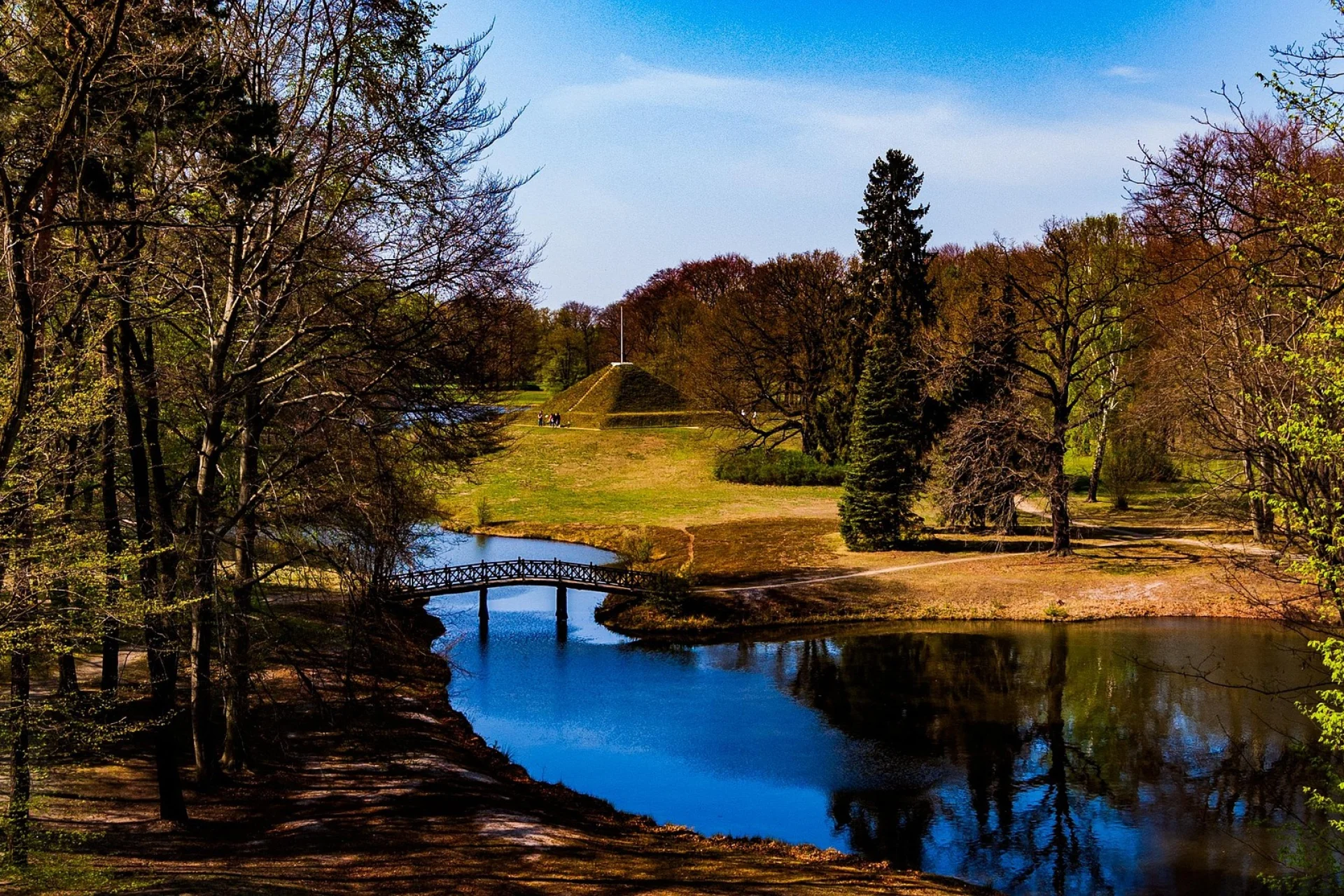
Upper Lusatia, or Oberlausitz in German, is a distinctive region in eastern Germany, primarily located in the state of Saxony, with smaller parts extending into Brandenburg. It's a land shaped by its unique Sorbian heritage, a West Slavic minority culture that has preserved its language, customs, and traditions for centuries, adding a vibrant layer to the German landscape.
The region's topography is varied and appealing. In the south, the Lusatian Mountains (Zittauer Gebirge) offer gentle hills, forests, and charming villages, ideal for hiking and cycling. Moving north, the landscape flattens into a mosaic of fields, forests, and rivers like the Spree and Neisse. A significant transformation is underway in the central and northern parts with the development of the Lusatian Lake District (Lausitzer Seenland). This emerging recreational area, created from former open-cast lignite mines, now features numerous large lakes perfect for water sports and relaxation, promising a future as a major tourism hub.
The Sorbian people are central to Upper Lusatia's identity. Visitors can experience their rich culture through language, traditional costumes, and festivals. Bautzen, often considered the unofficial capital of the Sorbs, is an excellent place to start. Here, you'll find bilingual street signs, the Sorbian Museum, and a vibrant cultural scene. Easter traditions, such as the Easter Riders (Osterreiter) and decorated Easter eggs, are particularly famous and draw many visitors.
One of Upper Lusatia's most iconic architectural features is the Umgebindehaus (half-timbered house). These unique buildings combine log construction on the ground floor with half-timbered or stone upper floors, often featuring intricate details. They are a testament to the region's historical building traditions and can be found throughout the countryside and in towns like Zittau and Ebersbach-Neugersdorf. Exploring villages dotted with these distinctive houses is a highlight for many visitors.
Upper Lusatia offers a range of activities for different interests:
The region provides good infrastructure for visitors, with a mix of guesthouses, hotels, and holiday apartments. Culinary delights include traditional Sorbian dishes and hearty Saxon cuisine. Upper Lusatia is an ideal destination for those seeking an authentic cultural experience combined with diverse natural landscapes, away from the more crowded tourist paths.