
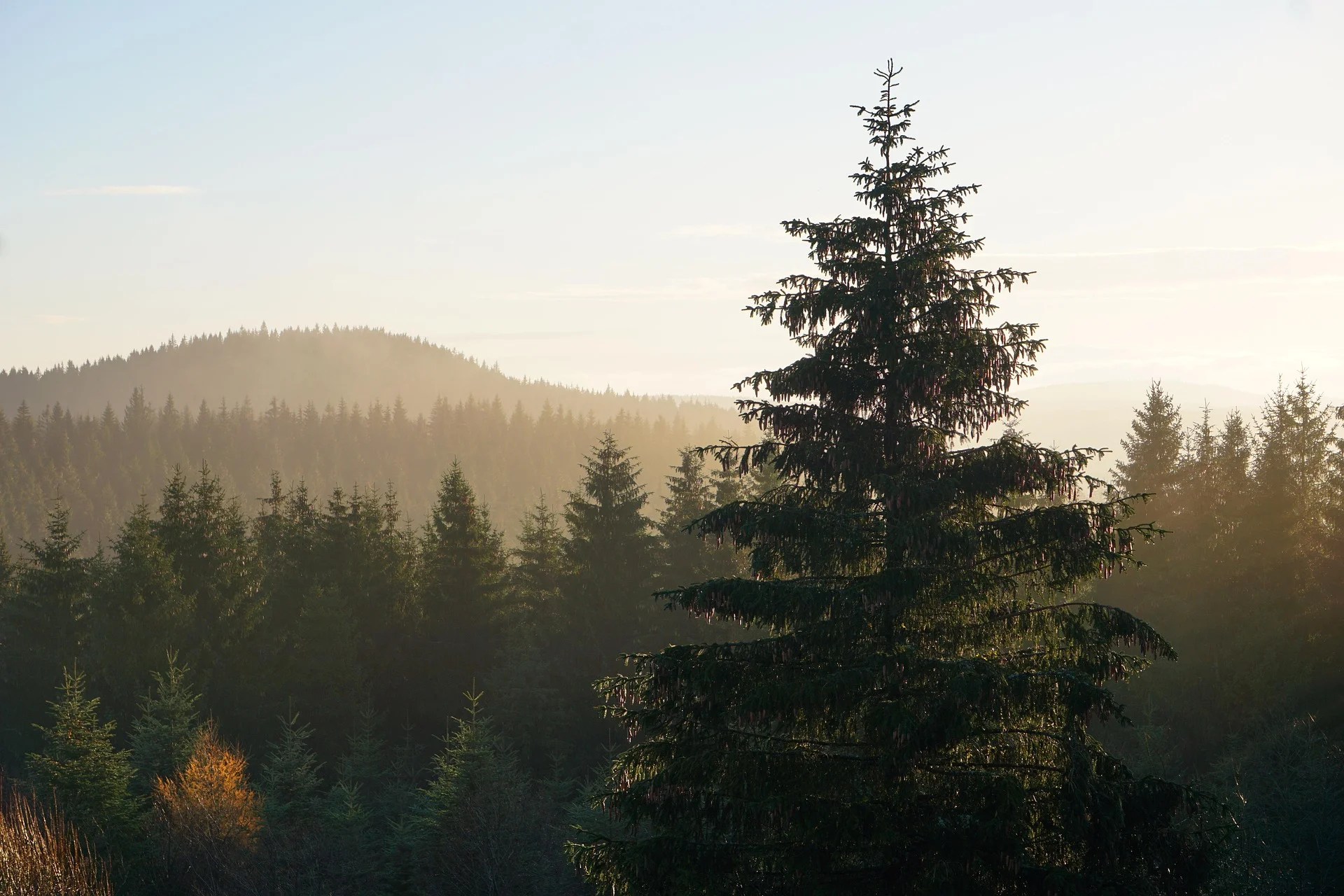
The Thuringian Forest, or Thüringer Wald, stretches across the German state of Thuringia, presenting a picturesque landscape of densely forested hills and valleys. Often referred to as the 'Green Heart of Germany,' it is a haven for nature lovers and those seeking active recreation amidst serene surroundings. The region's character is defined by its ancient woodlands, clean air, and a network of well-maintained trails that invite exploration throughout the year.
The Thuringian Forest is a classic low mountain range, characterized by gentle slopes and rounded peaks rather than dramatic alpine formations. Vast expanses of spruce and beech forests dominate the scenery, interspersed with clearings, meadows, and charming small villages. Rivers like the Gera and Ilm carve their way through the landscape, creating scenic valleys. The region's natural beauty changes dramatically with the seasons, from vibrant green in spring and summer to fiery reds and golds in autumn, and a pristine white wonderland in winter.
One of the most iconic features of the Thuringian Forest is the Rennsteig, a historic ridgeway and long-distance hiking trail that traverses the entire length of the range for 170 kilometers. It's not just a trail but a cultural monument, offering breathtaking views and insights into regional history.
Beyond its natural allure, the region boasts significant historical and cultural sites:
The Thuringian Forest is a year-round destination with a wide array of activities:
The culture of the Thuringian Forest is deeply rooted in its history and natural surroundings. Traditional crafts, hearty regional cuisine (like Thüringer Rostbratwurst), and local festivals add to the authentic experience. The region's strong connection to figures like Martin Luther and Johann Sebastian Bach offers a rich cultural tapestry.
For visitors, the Thuringian Forest offers excellent infrastructure. Accommodation ranges from cozy guesthouses and holiday apartments to modern hotels. Trails are well-signposted, and public transport connects many towns, though a car provides the most flexibility for exploring. The friendly atmosphere and the opportunity to connect with nature and history make it a highly appealing destination for both domestic and international travelers seeking an authentic German experience.