
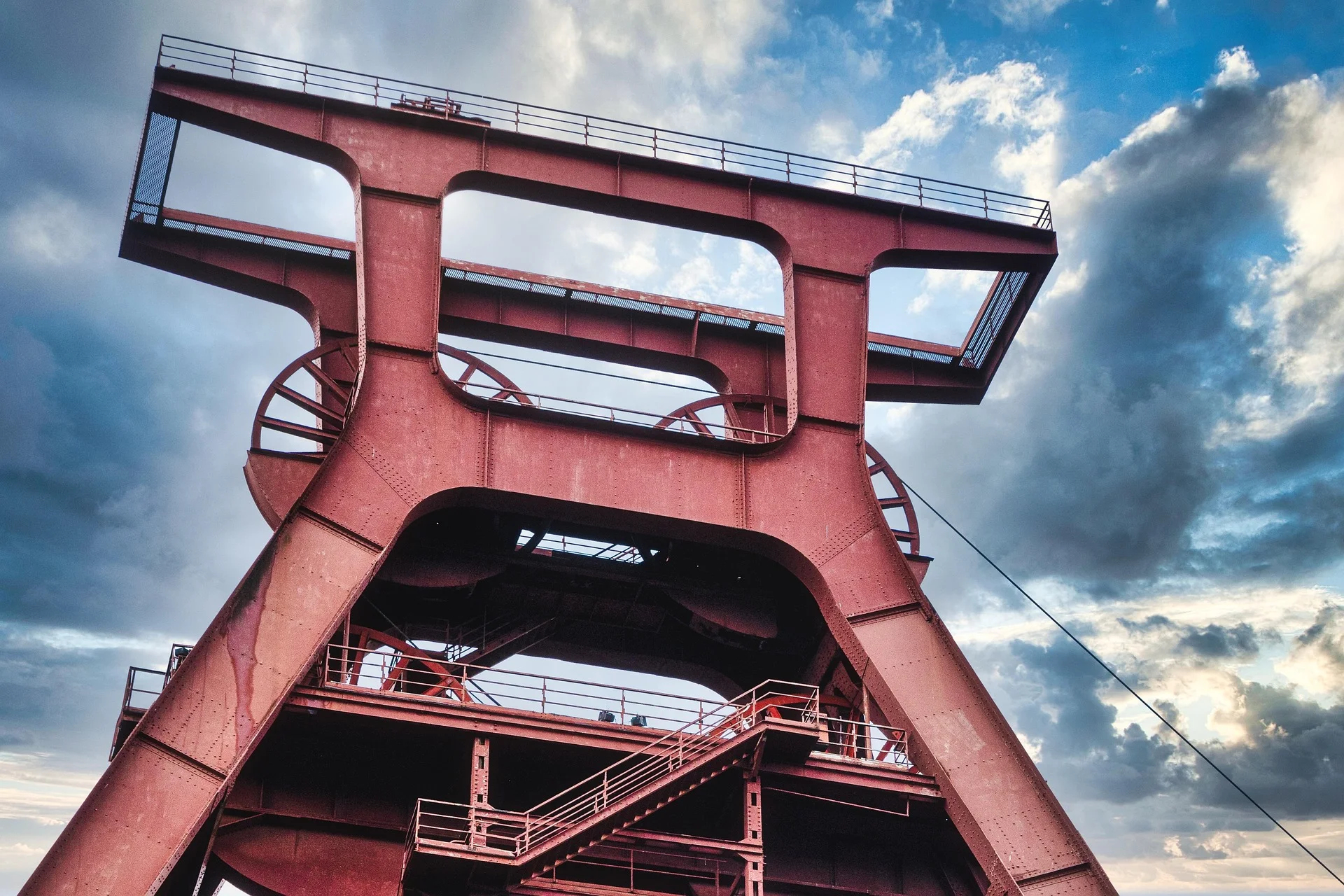
The Ruhr Area, or Ruhrgebiet, is a fascinating region in western Germany that has redefined itself from a heavy industrial powerhouse to a dynamic hub of culture, green spaces, and innovation. Once dominated by coal mines and steel mills, this polycentric urban landscape now offers a unique blend of its industrial past and a vibrant modern present, making it a compelling destination for travelers seeking an authentic and evolving German experience.
The Ruhr Area's character is deeply rooted in its industrial heritage, yet it has gracefully transitioned into a post-industrial landscape. It's a region of contrasts: towering former blast furnaces stand alongside contemporary art installations, and reclaimed industrial sites have become sprawling parks and recreational areas. The people of the Ruhr are known for their down-to-earth nature, strong community spirit, and a unique dialect that reflects their working-class history. This transformation has fostered a rich cultural scene, with numerous museums, theaters, and music venues.
The region's main attractions largely revolve around its industrial monuments, many of which have been repurposed into cultural centers and leisure facilities.
Often called the "Eiffel Tower of the Ruhr," the Zollverein Coal Mine Industrial Complex in Essen is a stunning example of Bauhaus architecture and a UNESCO World Heritage site. Visitors can explore the former coal washing plant, take guided tours, visit the Red Dot Design Museum, and enjoy contemporary art exhibitions. The site also hosts various festivals and events throughout the year.
A colossal former gas storage tank, the Gasometer Oberhausen is now Europe's tallest exhibition hall. It hosts spectacular art installations and exhibitions, often featuring breathtaking scale and immersive experiences that utilize its immense interior space.
This extraordinary park is built on the grounds of a former ironworks. Instead of demolishing the industrial structures, they have been creatively re-purposed. Visitors can climb a former blast furnace for panoramic views, dive in a disused gasometer, explore a rock-climbing garden in an ore bunker, or simply wander through the beautifully illuminated industrial ruins at night.
Beyond these major sites, the Ruhr Area boasts a wealth of other industrial museums, such as the German Mining Museum in Bochum, which provides deep insights into the region's mining history. The art scene is also thriving, with institutions like the Museum Folkwang in Essen offering impressive collections of 19th and 20th-century art.
While often perceived as purely industrial, the Ruhr Area is surprisingly green. The region is crisscrossed by rivers like the Ruhr and the Emscher, and numerous parks and green corridors have been developed on former industrial lands.
The Emscher Park Cycle Path is a prime example, connecting many of the industrial heritage sites and green spaces, offering miles of scenic routes for cyclists. Walking trails also abound, allowing visitors to explore the unique blend of nature and industry.
The Ruhr Area is a hub for cultural events, including music festivals, art exhibitions, and theater performances. The Ruhrtriennale is an internationally renowned arts festival that utilizes the region's industrial architecture as unique venues. Local markets and food festivals also offer a taste of regional specialties.
The culture of the Ruhr Area is characterized by its resilience, innovation, and a strong sense of community. The local cuisine is hearty, reflecting its working-class roots, with dishes like Currywurst and various potato specialties readily available.
For visitors, the region offers excellent infrastructure. A dense network of public transport, including trains, trams, and buses, makes it easy to navigate between cities and attractions. Accommodation options range from budget-friendly hostels to comfortable hotels. The Ruhr Area provides an engaging and accessible travel experience, showcasing a successful model of urban regeneration and cultural transformation.