
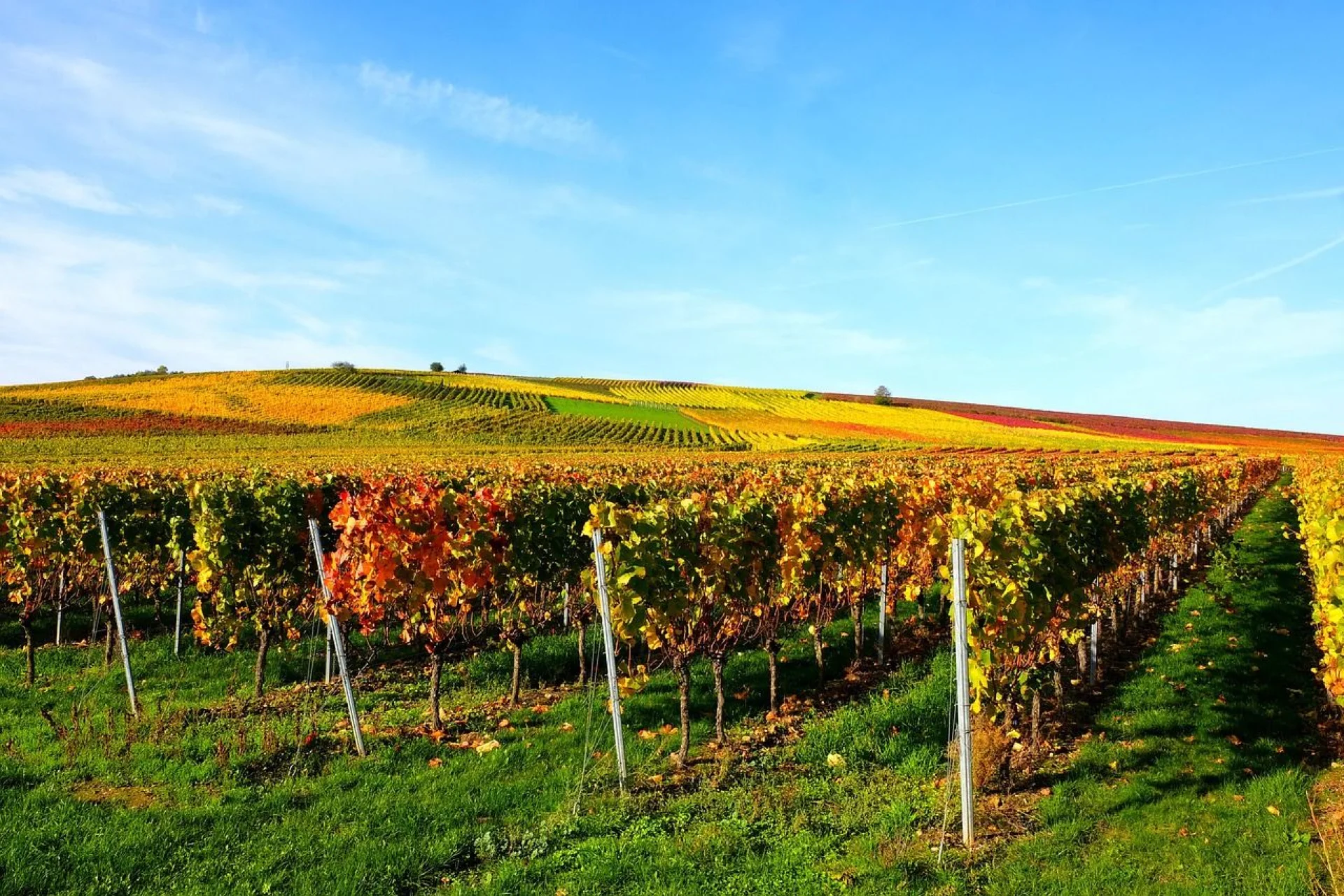
Rhenish Hesse, known locally as Rheinhessen, is a region defined by its deep connection to viticulture. As Germany's largest wine-growing area, it boasts an undulating landscape where endless rows of grapevines stretch across gentle hills, creating a picturesque backdrop for exploration. The region's character is one of understated beauty, historical depth, and a vibrant wine culture that permeates every village and town.
The geography of Rhenish Hesse is dominated by its fertile soils and the meandering presence of the Rhine River, which forms its eastern boundary. This unique terroir, combined with a mild climate, provides ideal conditions for grape cultivation. Visitors can immerse themselves in this verdant landscape by cycling along well-maintained paths that crisscross the vineyards, or by hiking scenic wine trails that offer panoramic views of the Rhine valley and beyond.
Wine is the soul of Rhenish Hesse. The region is renowned for its diverse grape varietals, including the crisp Riesling, the aromatic Silvaner, and the robust Dornfelder. A visit here is incomplete without indulging in wine tasting at one of the numerous wineries, from traditional family-run estates to modern, innovative producers. Many villages host seasonal "Straußwirtschaften" or "Gutsschänken" – temporary wine taverns where winemakers serve their own wines alongside simple, hearty regional dishes. Throughout the year, numerous wine festivals celebrate the harvest and the local vintages, offering a lively insight into the region's convivial spirit.
Rhenish Hesse is home to cities steeped in history and a multitude of picturesque wine villages, each with its own unique charm.
As the capital of Rhineland-Palatinate and a gateway to Rhenish Hesse, Mainz is a city rich in Roman and medieval history. Its impressive Romanesque cathedral, the Mainzer Dom, dominates the skyline. Visitors can explore the Gutenberg Museum, dedicated to the inventor of the movable type printing press, or wander through the charming old town with its half-timbered houses and bustling squares.
Further south lies Worms, one of Germany's oldest cities, famous for its imperial cathedral and its role in the Nibelungenlied saga. It was also the site of the Diet of Worms in 1521, where Martin Luther defended his beliefs. The Luther Monument and the Heylshof Garden are key attractions, offering a glimpse into centuries of German history.
Beyond the major cities, countless smaller villages invite exploration. Oppenheim is famous for its unique underground labyrinth of cellars and tunnels. Nierstein boasts some of the steepest vineyards along the Rhine, offering spectacular views. Ingelheim am Rhein is known for the ruins of Charlemagne's imperial palace, a significant archaeological site.
Rhenish Hesse is easily accessible, with Frankfurt Airport (FRA) nearby, providing excellent international connections. The region's infrastructure is well-developed, offering a range of accommodation from cozy guesthouses in wine villages to hotels in the larger cities. The best time to visit is from late spring to early autumn, when the weather is pleasant for outdoor activities and the region comes alive with festivals and harvest activities.