
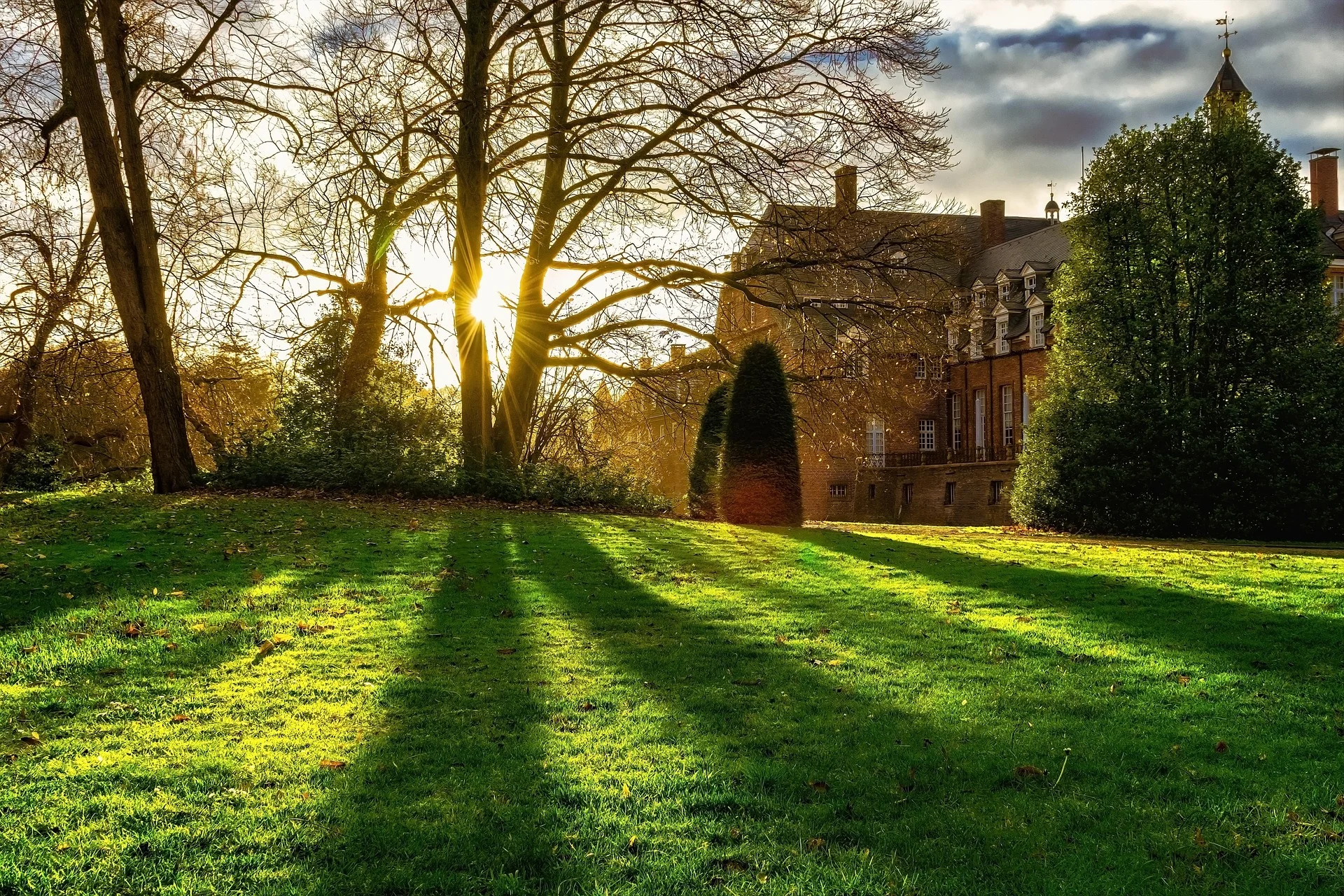
Münsterland, nestled in the western part of Germany's North Rhine-Westphalia, is a region defined by its gentle, rolling green landscapes, picturesque moated castles, and an unparalleled network of cycling paths. Often referred to as the "Land of 100 Castles" and a paradise for cyclists, it offers a tranquil escape with a rich cultural heritage. The region's character is one of understated elegance, where historic charm meets a relaxed, outdoor-oriented lifestyle.
The landscape of Münsterland is predominantly flat to gently undulating, making it ideal for cycling and walking. Vast fields, lush meadows, and small woodlands characterize the scenery, punctuated by charming villages and impressive historic estates. The region is crisscrossed by the "Pättkes," a local term for its extensive network of well-maintained, signposted cycling trails that connect towns, castles, and natural beauty spots.
Münsterland is renowned as one of Germany's premier cycling regions. With over 4,500 kilometers of marked routes, including the popular 100 Castles Route (100 Schlösser Route), it caters to all levels of cyclists. The flat terrain makes it accessible for families and leisure riders, while longer routes offer rewarding challenges. Bike rentals are widely available, and many accommodations are specifically geared towards cyclists.
The region's most iconic feature is its abundance of moated castles (Wasserburgen) and stately homes. These architectural gems, often surrounded by tranquil parks and gardens, tell tales of centuries past.
The vibrant city of Münster serves as the cultural and economic heart of the region. Famous for its historic Old Town, the impressive Prinzipalmarkt, the stunning St. Paul's Cathedral, and its status as a university city, Münster offers a lively urban experience amidst the rural tranquility. It's also known for its strong cycling culture, with bikes outnumbering cars.
Beyond Münster, charming smaller towns like Warendorf (the German National Stud Farm), Telgte (a pilgrimage site), and Coesfeld offer their own unique blend of history, local cuisine, and Westphalian hospitality. Traditional events, local markets, and regional festivals provide insights into the authentic Münsterland way of life.
Münsterland is easily accessible by car and train, with good connections to major German cities. The infrastructure for visitors is excellent, particularly for cyclists, with numerous bike-friendly hotels, guesthouses, and restaurants. The local cuisine emphasizes hearty Westphalian dishes, often featuring ham, pumpernickel bread, and regional beers. The best times to visit are spring through early autumn, when the weather is ideal for outdoor activities and the landscapes are at their most vibrant.