
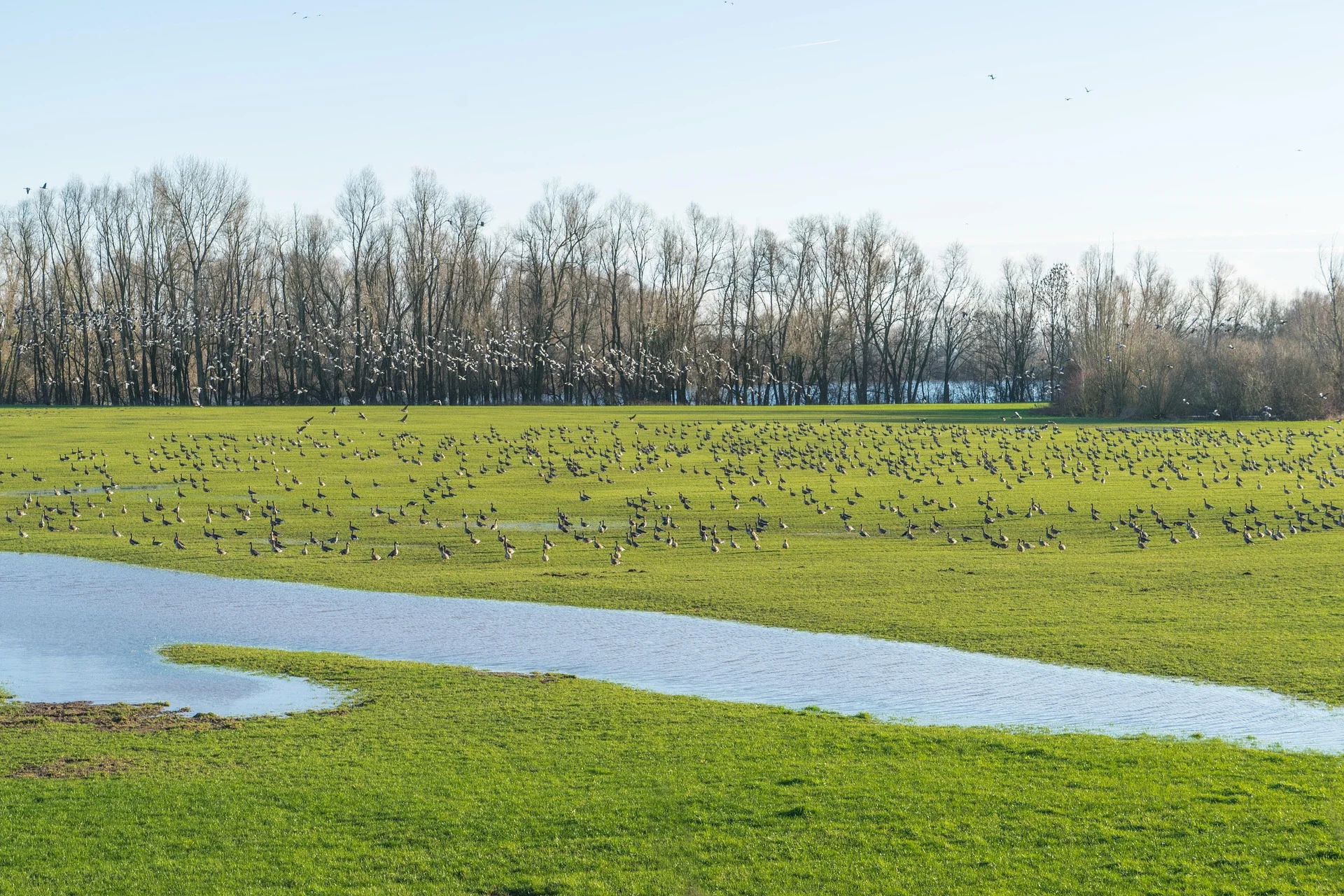
The Lower Rhine, or Niederrhein in German, is a distinctive region stretching across the western part of North Rhine-Westphalia, characterized by its flat, expansive landscapes shaped by the mighty Rhine River. This area offers a unique blend of ancient Roman history, medieval charm, and a relaxed, rural atmosphere, making it an ideal destination for slow travel and outdoor activities.
Unlike the dramatic mountain ranges of southern Germany, the Lower Rhine presents a gentle, open landscape dominated by wide river plains, green meadows, and agricultural fields. The pace of life here is noticeably slower, inviting visitors to unwind and connect with nature. The region's character is deeply influenced by its proximity to the Netherlands, evident in its architecture, dialect, and a shared love for cycling.
The flat terrain of the Lower Rhine makes it a paradise for cyclists. An extensive network of well-maintained cycling paths, including the popular Lower Rhine Route (Niederrheinroute) and sections of the Rhine Cycle Route, allows for leisurely tours through picturesque villages, along riverbanks, and past historic sites. Walking and hiking are also popular, with numerous trails winding through nature reserves and along the Rhine. Boat trips on the Rhine offer a different perspective of the landscape and its charming riverside towns.
The Lower Rhine boasts a rich regional identity. Its culture is shaped by its history as a border region, with influences from both German and Dutch traditions. Local cuisine often features hearty dishes, including traditional stews, potato pancakes (Reibekuchen), and regional specialties like "Rheinischer Sauerbraten" (marinated pot roast). Local breweries offer a taste of traditional German beer, while charming cafes serve up local pastries and coffee.
The region is easily accessible by car and public transport, with good connections to major cities like Düsseldorf and Cologne. Its excellent infrastructure, particularly for cycling tourism, makes it a hassle-free destination. The Lower Rhine is particularly family-friendly, with many attractions catering to all ages, from interactive museums to outdoor adventures. Accommodation options range from cozy guesthouses and farm stays to modern hotels, ensuring a comfortable stay for every traveler.