
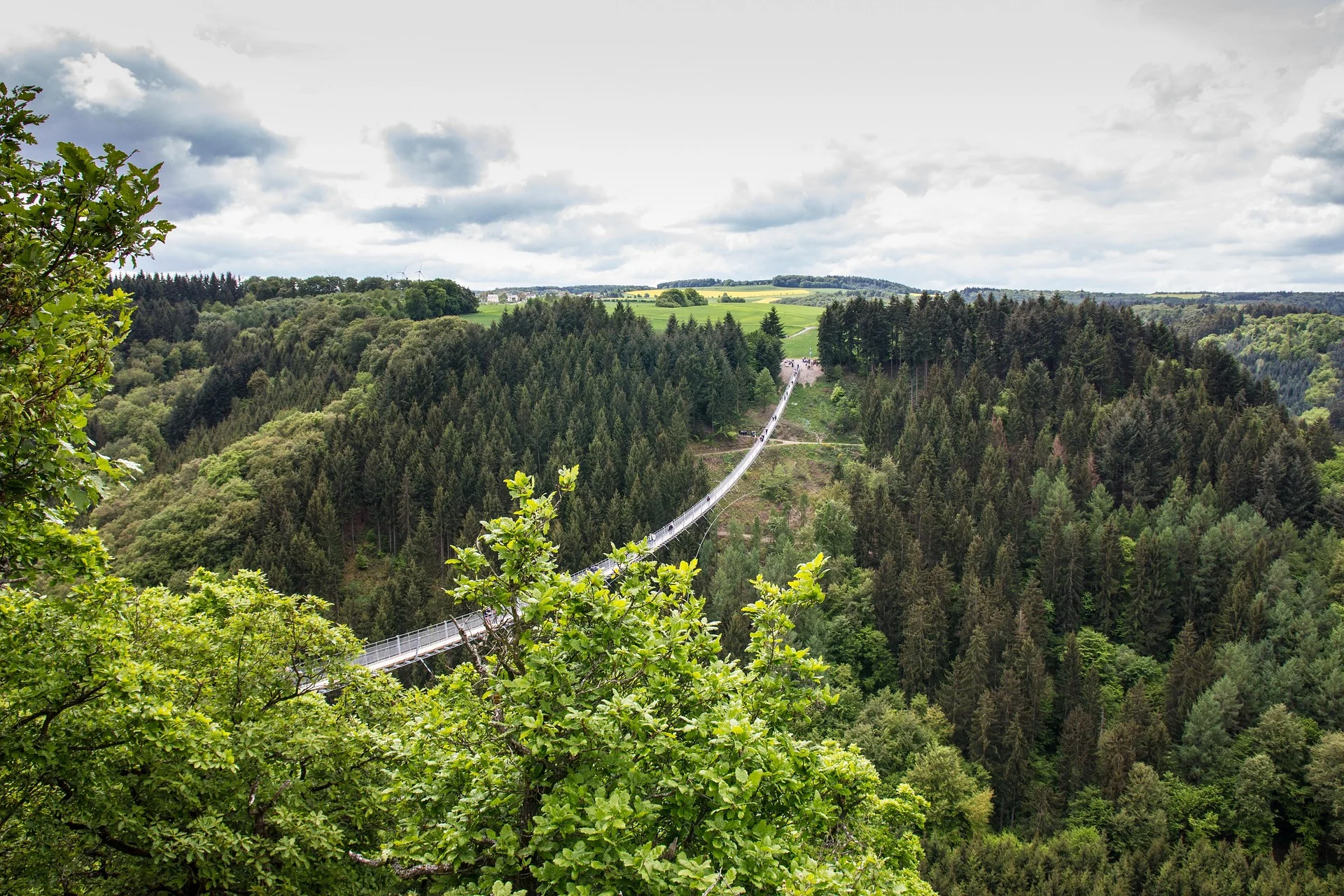
Nestled between the Moselle, Rhine, Saar, and Nahe rivers, the Hunsrück Highlands present a landscape of gentle rolling hills, deep valleys, and extensive forests. This captivating low mountain range in Rhineland-Palatinate, Germany, is a haven for those seeking natural beauty, outdoor activities, and a glimpse into ancient history. Far from the bustling tourist crowds, the Hunsrück offers a tranquil and authentic German experience.
The Hunsrück is characterized by its vast woodlands, primarily beech and oak, interspersed with open meadows and small, traditional villages. The region's highest peak, the Erbeskopf, stands at 816 meters (2,677 ft), offering panoramic views across the forested expanse. Deep river valleys, carved by tributaries like the Hunsrückbach, add dramatic flair to the otherwise gentle topography. A significant portion of the region is protected within the Saar-Hunsrück Nature Park, ensuring the preservation of its diverse flora and fauna. Visitors can expect to encounter red deer, wild boar, and a variety of bird species in their natural habitat.
The Hunsrück Highlands are a paradise for outdoor enthusiasts:
The Hunsrück's culture is rooted in its rural traditions and history. Charming villages with half-timbered houses, local markets, and traditional festivals offer an authentic taste of German provincial life. Regional cuisine features hearty dishes, often incorporating game from the local forests, potatoes, and traditional bread. Local wines from the nearby Moselle and Nahe valleys are also a highlight. The dialect spoken in the Hunsrück, Hunsrückisch, is a distinct variant of German, reflecting the region's unique identity.
The Hunsrück Highlands offer a peaceful and uncrowded alternative to more famous German regions. Accommodation ranges from cozy guesthouses and farm stays to comfortable hotels. The infrastructure is well-developed for outdoor activities, with clear signage for trails and plenty of opportunities for equipment rental. While a car is recommended for exploring the wider region, some areas are accessible by public transport. The region is particularly appealing to those who appreciate nature, history, and a slower pace of travel.