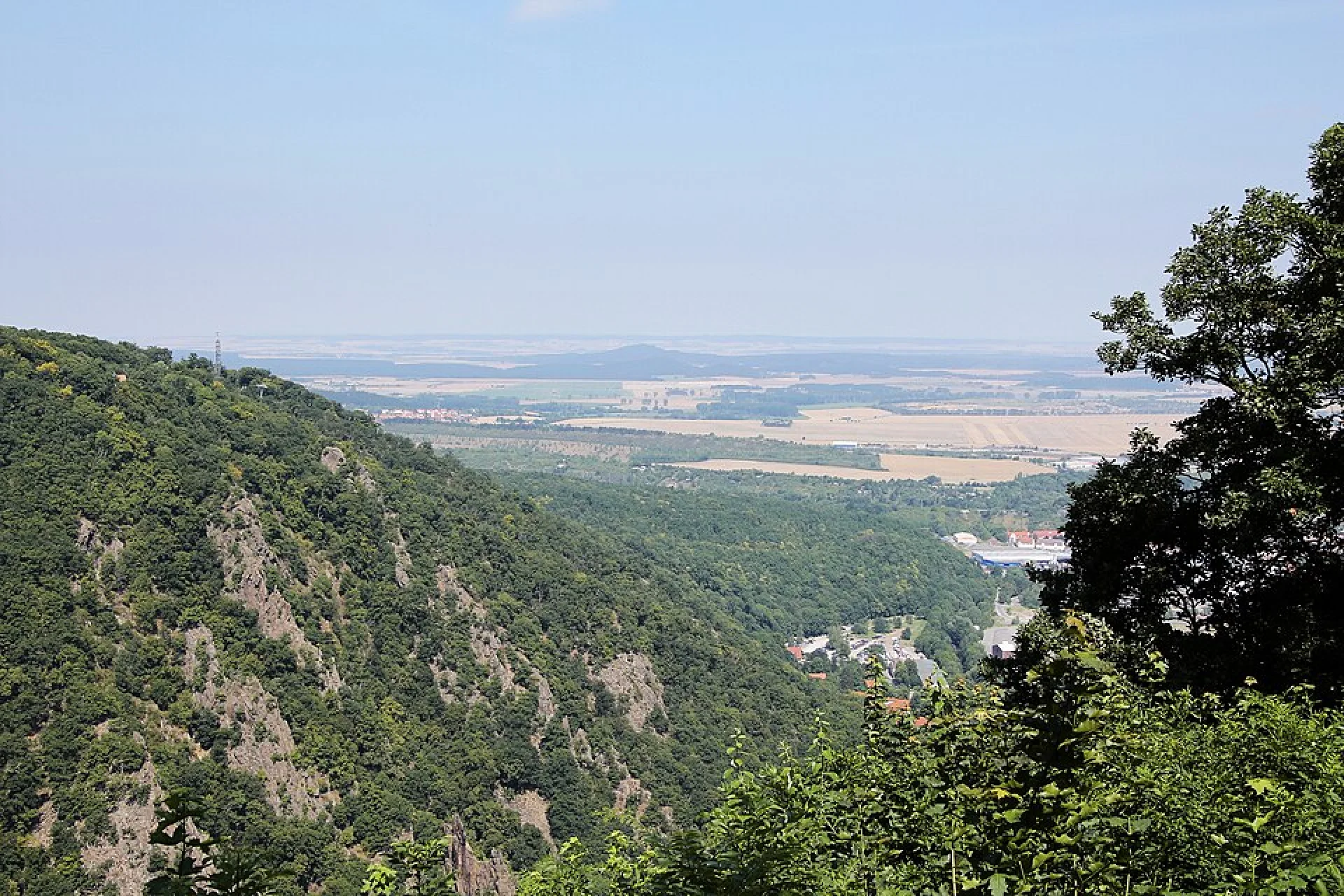
Harz Foothills
The Harz Foothills, known locally as the Harzvorland, present a softer, more accessible side to the dramatic Harz region. This area serves as a natural gateway, characterized by fertile agricultural lands, meandering rivers, and small, ancient forests that gradually give way to the higher elevations of the Harz Mountains. It's a region where history is palpable in every cobblestone street and half-timbered house, offering a tranquil yet engaging travel experience.
Character and Landscape
The character of the Harz Foothills is defined by its gentle undulations and rich cultural tapestry. Unlike the dense forests and steep climbs of the central Harz, the foothills offer a landscape of open fields, river valleys, and scattered woodlands, making it ideal for leisurely exploration. The climate is continental, providing distinct seasons, from vibrant spring blooms and warm summers to colorful autumns and crisp, often snowy, winters. This diversity ensures a unique experience no matter the time of year.
Main Attractions and Culture
The Harz Foothills are a treasure trove of historical sites and charming settlements:
- UNESCO World Heritage Towns: The region is home to several magnificent towns recognized by UNESCO. Goslar, with its imperial palace (Kaiserpfalz) and well-preserved medieval old town, offers a deep dive into German history. Nearby, the Rammelsberg Mine is another UNESCO site, showcasing a thousand years of mining history.
- Quedlinburg: A true gem, Quedlinburg boasts over 1,300 half-timbered houses, a stunning collegiate church, and a castle that together form an unparalleled medieval ensemble.
- Wernigerode: Often called the "colorful town of the Harz," Wernigerode sits at the very edge of the foothills, known for its fairytale castle overlooking the town and its meticulously preserved historic center.
- Castles and Monasteries: Beyond the main towns, numerous smaller castles, ruins, and historic monasteries, such as Walkenried Abbey, dot the landscape, each telling a story of centuries past.
- Local Traditions: The region embraces its heritage through local festivals, traditional crafts, and hearty regional cuisine, often featuring game, fresh produce, and local brews.
Activities and Visitor Appeal
The Harz Foothills cater to a variety of interests, particularly those seeking a blend of cultural immersion and gentle outdoor pursuits:
- Hiking and Walking: The network of trails is less challenging than in the higher mountains, perfect for family walks, leisurely strolls through vineyards, or exploring river paths.
- Cycling: With gentler gradients, the foothills are excellent for road cycling and gravel cycling, offering scenic routes through villages and countryside.
- Cultural Exploration: Spend days wandering through historic town centers, visiting museums, art galleries, and enjoying the local atmosphere.
- Scenic Drives: The region is perfect for road trips, with picturesque routes connecting charming towns and natural viewpoints.
- Relaxation: The tranquil environment and numerous wellness facilities make it an ideal destination for those seeking a peaceful escape.
Practicalities
The Harz Foothills are well-connected by road and rail, making them easily accessible from major German cities. Accommodation options range from cozy guesthouses and traditional hotels to self-catering apartments, catering to various budgets. The infrastructure is robust, with good services for visitors, including local transportation, dining, and information centers. It's a family-friendly destination, offering engaging activities for all ages and a welcoming atmosphere that encourages slow travel and deep appreciation of its unique charm.