
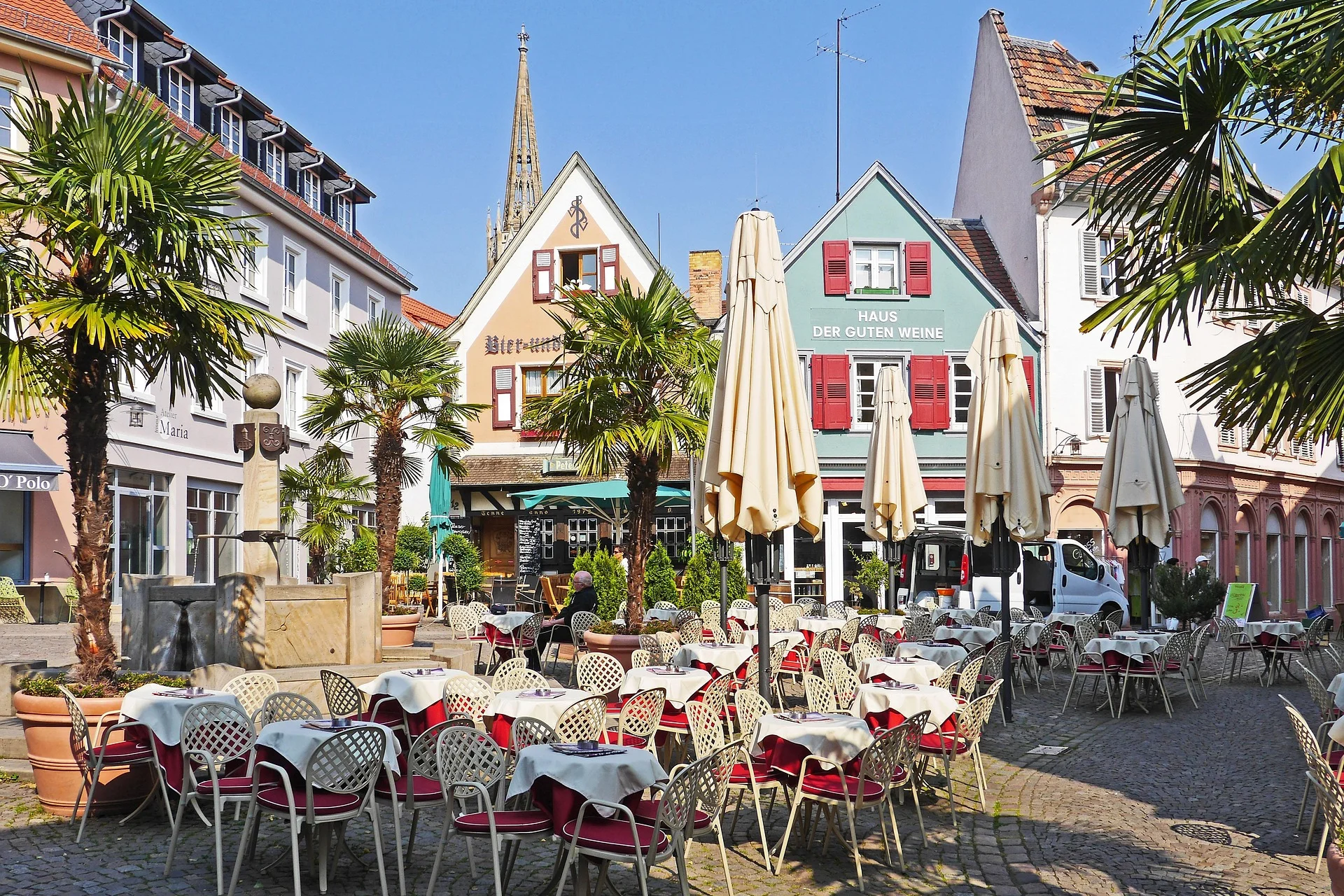
The German Wine Route, or Deutsche Weinstraße, stretches for approximately 85 kilometers (53 miles) through the Palatinate region of Rhineland-Palatinate. It's an idyllic landscape characterized by gentle rolling hills covered with vineyards, interspersed with quaint villages and historic towns.
This region boasts one of Germany's warmest climates, allowing for a diverse range of grape varietals, predominantly Riesling, but also Müller-Thurgau, Silvaner, and various red wines like Spätburgunder (Pinot Noir). The landscape is a harmonious blend of cultivated vineyards, almond trees, figs, and lemons, giving it a Mediterranean flair. To the west, the Palatinate Forest (Pfälzerwald), Germany's largest contiguous forest, provides a dramatic backdrop and opportunities for hiking and cycling.
Visitors to the German Wine Route are primarily drawn by the wine itself. Numerous wineries offer tastings and cellar tours, providing insights into the winemaking process and the chance to sample local vintages directly from the producers. Beyond wine, the region offers a wealth of attractions:
The culture of the German Wine Route is deeply rooted in its winemaking tradition. Locals are proud of their heritage and welcoming to visitors, creating a warm and convivial atmosphere. The region is particularly appealing for road trips and slow travel, allowing visitors to immerse themselves in the relaxed pace of life. Its well-developed infrastructure, with a wide range of accommodations from cozy guesthouses to luxury hotels, makes it an accessible and comfortable destination for all types of travelers, including families.
The German Wine Route offers a unique blend of natural beauty, historical charm, and gastronomic pleasure, making it an unforgettable experience for wine enthusiasts, nature lovers, and culture seekers alike.