
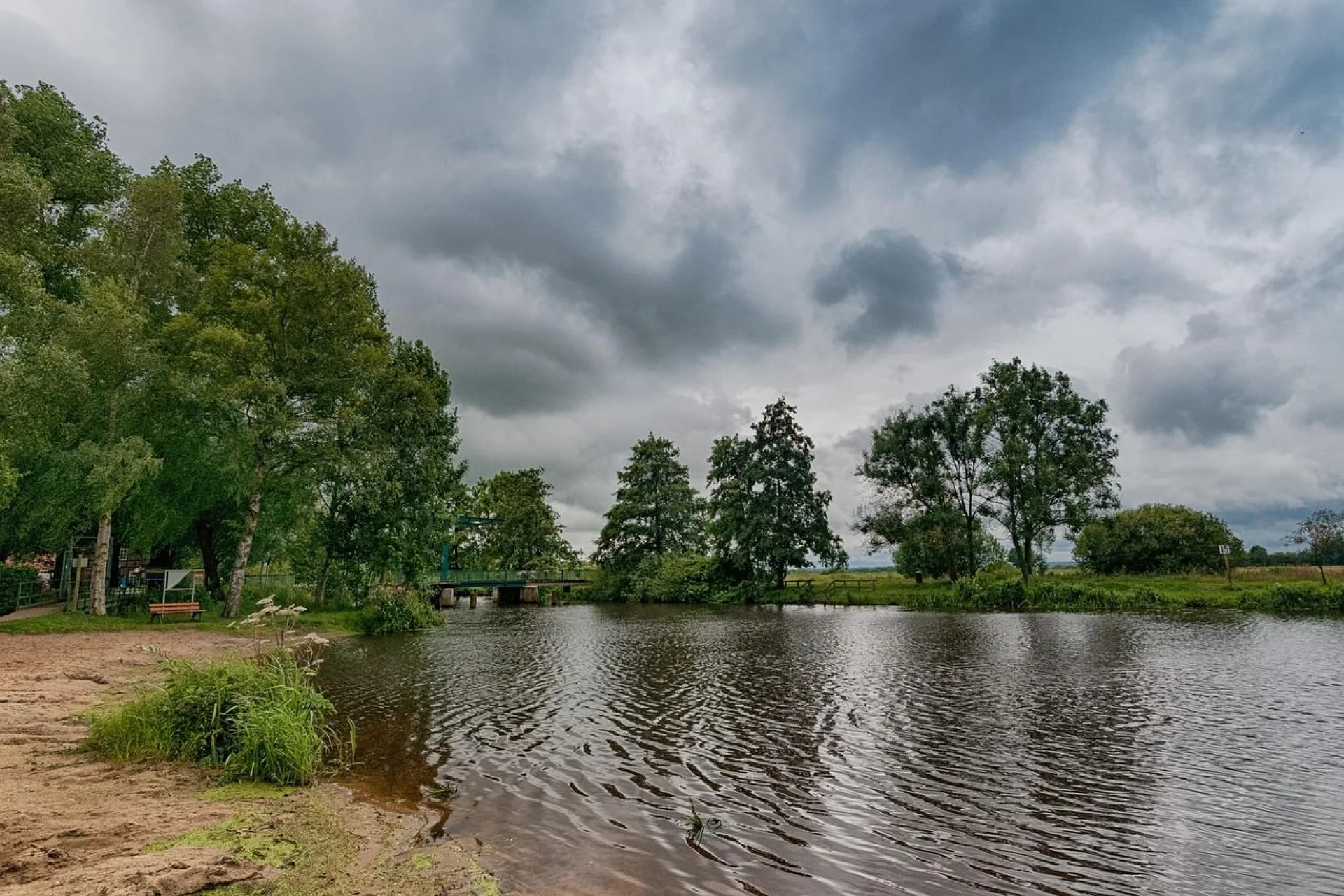
The Devil's Moor (Teufelsmoor) is a captivating and distinctive fen landscape located in northern Germany, primarily within the state of Lower Saxony. This vast region, characterized by its expansive peat bogs, meandering rivers, and serene waterways, offers a unique blend of untouched nature and rich cultural history. Once a wild and inaccessible land, it was gradually cultivated through centuries of peat cutting, leaving behind a mosaic of canals, small forests, and agricultural fields that coexist with protected moorland areas. It's a place where the horizon stretches wide, the air is fresh, and a profound sense of tranquility pervades.
At the heart of the Devil's Moor lies Worpswede, a village renowned worldwide as an artists' colony. Established in the late 19th century, it attracted painters, sculptors, and writers seeking inspiration from the unique light and melancholic beauty of the moorland. Today, Worpswede continues to be a vibrant center for art and culture, boasting numerous galleries, studios, and museums.
A visit to Worpswede provides a deep dive into the artistic heritage of the region, offering insights into the lives and creations of those who found their muse in the Devil's Moor.
The Devil's Moor is a paradise for nature lovers and outdoor enthusiasts. Its flat terrain and extensive network of waterways make it ideal for various activities.
The region offers an abundance of well-marked cycling and hiking trails that crisscross the moorland, leading through small villages, along canals, and past traditional farmhouses. The Moor-Erlebnispfad (Moor Experience Path) provides interpretive information about the unique ecosystem.
The rivers Hamme and Wümme, along with a network of canals, are central to the moorland experience.
Beyond its natural beauty and artistic legacy, the Devil's Moor offers a taste of authentic northern German culture.
The Devil's Moor is easily accessible from Bremen, making it a convenient day trip or a peaceful retreat for a longer stay. Accommodations range from cozy guesthouses in Worpswede to farm stays in the surrounding countryside. While public transport connects the main villages, exploring the wider moorland is best done by bicycle or car. The best times to visit are from spring to early autumn when the weather is mild and the landscape is vibrant.