Baltic Sea Coast
Discovering Germany's Baltic Sea Coast
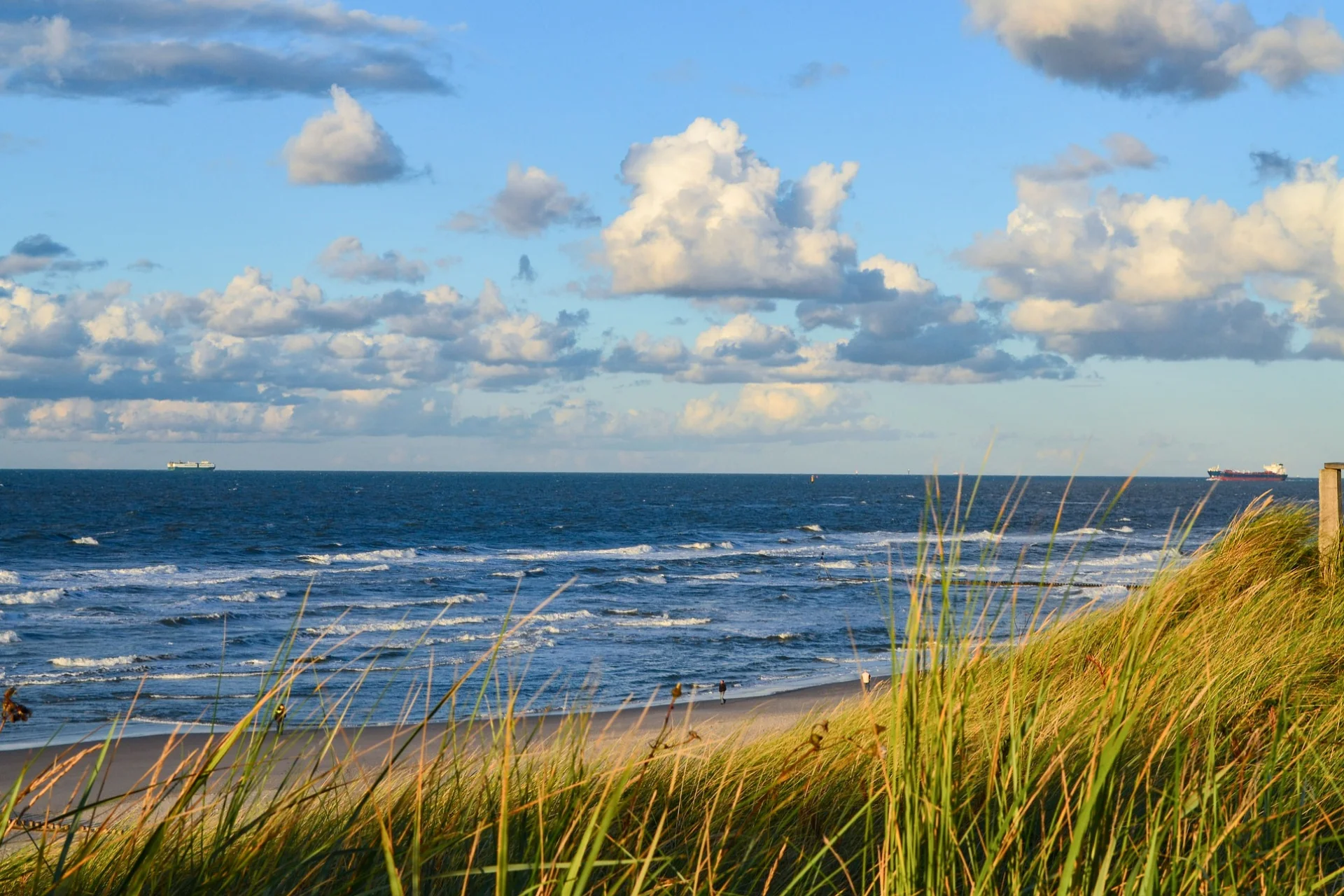
The German Baltic Sea Coast, known locally as the Ostseeküste, stretches across the northern states of Schleswig-Holstein and Mecklenburg-Vorpommern. It's a region defined by its diverse coastline, from the windswept dunes and endless sandy beaches to the dramatic white chalk cliffs of Jasmund National Park on Rügen. This area is a popular destination for both German and international visitors seeking relaxation, nature, and a touch of maritime history.
Landscapes and Natural Beauty
The coastline is incredibly varied. You'll find long, shallow beaches perfect for families, rugged cliffs carved by the sea, and extensive national parks protecting unique ecosystems.
- Islands: The largest German islands, Rügen and Usedom, are jewels of the Baltic. Rügen boasts the iconic Königsstuhl chalk cliff formation and elegant spa towns like Binz and Sellin. Usedom is famous for its wide beaches and imperial architecture in resorts such as Ahlbeck and Heringsdorf.
- Peninsulas: Darß-Zingst peninsula is renowned for its wild, unspoiled nature, migratory bird populations, and picturesque fishing villages.
- Bodden Lagoons: Behind the coastal spits lie shallow lagoons (Bodden), rich in biodiversity and ideal for birdwatching and tranquil boat trips.
Historic Hanseatic Cities and Culture
The region is steeped in history, particularly that of the Hanseatic League, a medieval trading confederation.
- Lübeck: A UNESCO World Heritage site, famous for its brick Gothic architecture and marzipan.
- Rostock: A vibrant university city with a rich maritime past, home to the impressive St. Mary's Church.
- Stralsund: Another UNESCO site, offering a stunning old town and the Ozeaneum aquarium.
- Wismar: A beautifully preserved Hanseatic port town, also a UNESCO World Heritage site.
These cities offer a blend of historical charm, cultural attractions, and modern amenities.
Activities and Experiences
The Baltic Sea Coast provides a wide array of activities for all types of travelers.
- Beach Life: Sunbathing, swimming, building sandcastles, and relaxing in traditional "Strandkörbe" (hooded beach chairs).
- Water Sports: Sailing, windsurfing, kitesurfing, stand-up paddleboarding, and kayaking are popular, especially in the calmer waters of the Bodden.
- Cycling and Hiking: Extensive networks of well-maintained trails crisscross the coast and islands, offering scenic routes through forests, along cliffs, and past charming villages.
- Wellness: Many seaside resorts offer excellent spa and wellness facilities, often utilizing local natural resources like chalk and sea mud.
- Birdwatching: Especially prominent in autumn and spring during bird migration, particularly on the Darß-Zingst peninsula.
Practical Visitor Appeal
The infrastructure along the German Baltic Sea Coast is highly developed, catering to a diverse range of visitors. Accommodation options vary from luxury hotels and spa resorts to family-friendly guesthouses, holiday apartments, and campsites. Public transport connects major towns and islands, though a car offers the most flexibility for exploring more remote areas. The cuisine features fresh fish and local produce, with many restaurants offering regional specialties. The mild Oceanic Climate with refreshing sea breezes makes it an ideal summer destination, while the quieter shoulder seasons offer a peaceful retreat.