
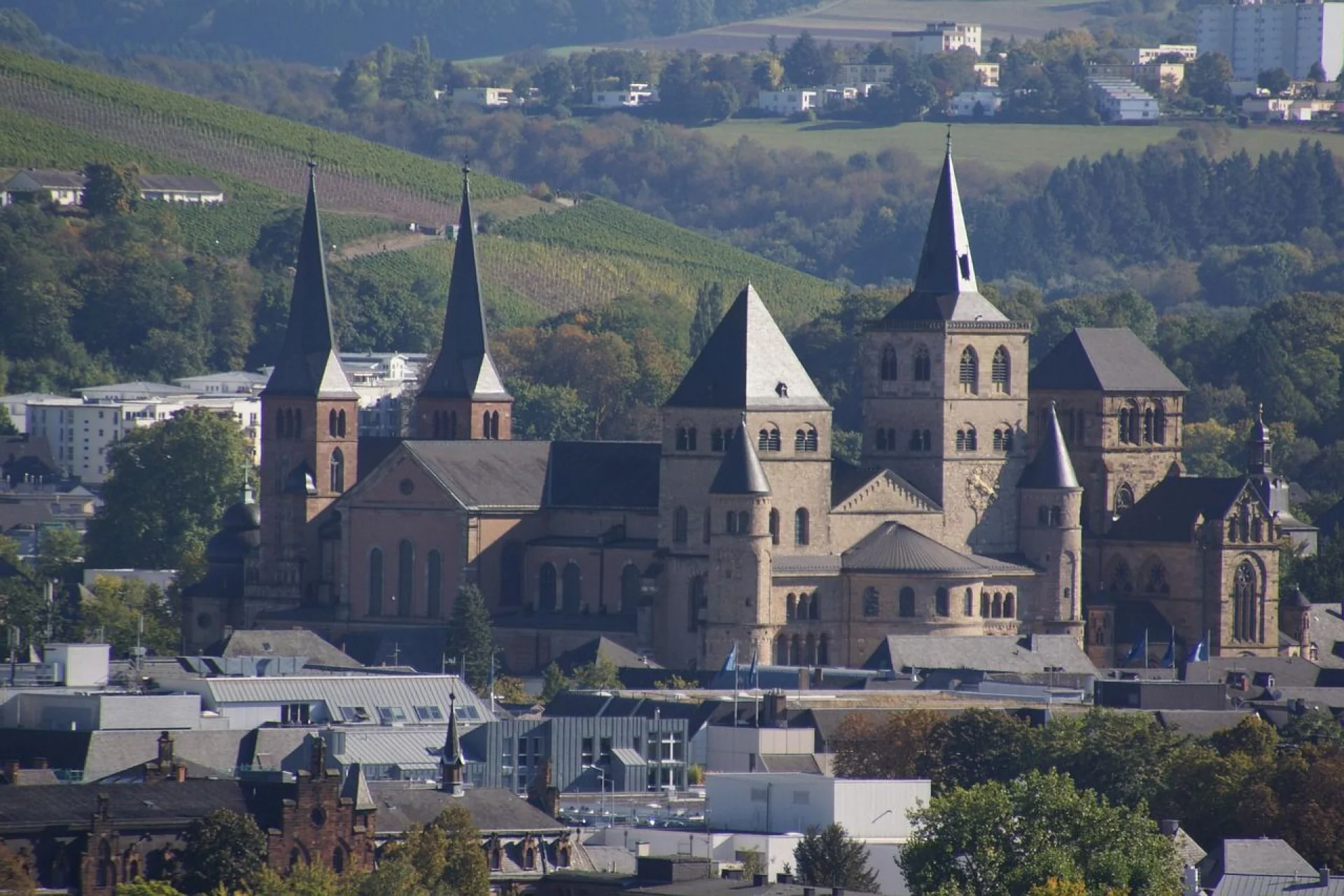
Trier, often hailed as "Rome of the North," is a city where history breathes through every cobblestone. Founded by the Celts and later a significant Roman imperial residence, its past is remarkably preserved, offering visitors a tangible connection to antiquity. Beyond its monumental heritage, Trier is the heart of Germany's oldest wine region, the Moselle, where steep vineyards yield exquisite Rieslings.
Trier's character is defined by its extraordinary collection of Roman monuments, many of which are UNESCO World Heritage Sites. These impressive structures stand as testaments to the city's former glory as a powerful Roman provincial capital.
While Roman history dominates, Trier also offers fascinating insights into later periods. The Karl Marx House, birthplace of the famous philosopher, is now a museum. The city center itself is a delightful maze of medieval and Baroque architecture, charming squares, and bustling markets.
Trier is perfectly situated to explore the stunning Moselle Valley, a region renowned for its dramatic river bends, terraced vineyards, and picturesque villages.
The Moselle is Germany's oldest wine region, famous for its steep slate vineyards producing crisp, aromatic Rieslings. A visit to Trier is incomplete without indulging in a wine tasting at one of the many local wineries or enjoying a glass at a traditional "Straußwirtschaft" (seasonal wine tavern). Wine festivals are a highlight, especially in late summer and autumn.
The scenic landscapes around Trier are ideal for outdoor enthusiasts:
Trier's cultural scene is vibrant, with numerous museums, galleries, and theaters. The city hosts various festivals throughout the year, including Roman-themed events, wine festivals, and a charming Christmas market. Local cuisine features hearty German dishes, often paired with regional wines, and influences from its proximity to Luxembourg and France.
Trier is easily accessible by train and car, with good connections to major German cities. The city center is compact and highly walkable, making it easy to explore the main attractions on foot. A well-developed public transport system further aids navigation. Accommodation options range from historic hotels to cozy guesthouses, catering to various budgets. The best times to visit are spring and autumn for pleasant weather and wine-related activities, though summer offers warmer temperatures for river activities.