
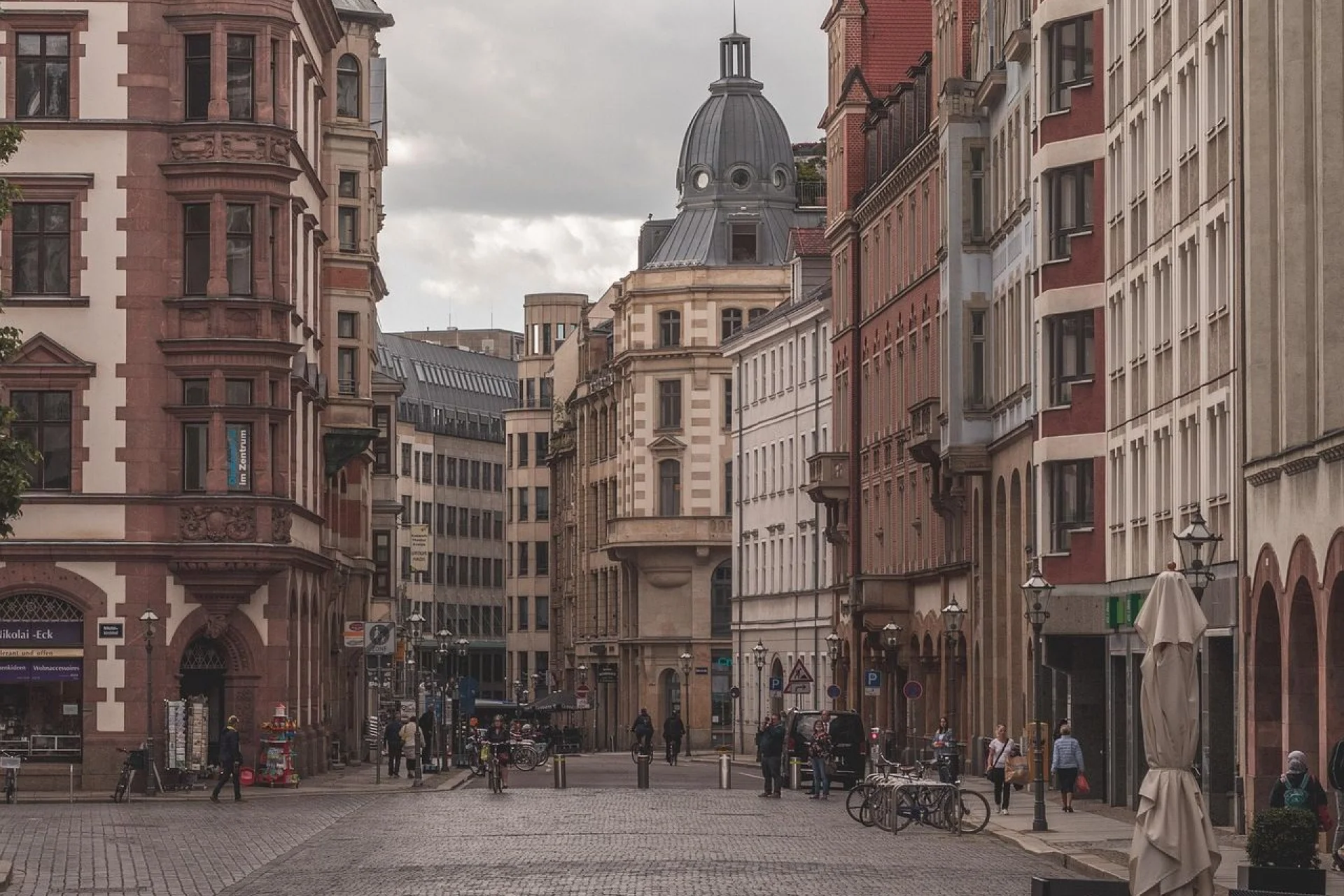
Leipzig, often called the 'City of Music' and a 'Hero City' for its role in the 1989 Peaceful Revolution, is a captivating destination in the heart of Germany. It seamlessly blends centuries of history with a youthful, innovative spirit, offering visitors a wealth of experiences.
Leipzig's character is defined by its intellectual and artistic traditions, its importance as a trade fair city, and its pivotal moments in history. It was home to Johann Sebastian Bach, Felix Mendelssohn, and Richard Wagner, whose influences are still deeply felt. The city's role in the events leading to German reunification in 1989, particularly the Monday Demonstrations at St. Nicholas Church, gives it a unique historical significance.
Today, Leipzig is a bustling economic and cultural hub, attracting students, artists, and entrepreneurs. It boasts a lively atmosphere with a thriving arts scene, diverse culinary offerings, and a strong sense of community.
Leipzig's attractions span historical landmarks, world-class museums, and beautiful green spaces:
While Leipzig is primarily an urban destination, it offers ample green spaces and proximity to natural beauty:
Activities within the city include attending classical concerts at the Gewandhaus, exploring the historic arcades and passages, enjoying the vibrant nightlife in areas like the Barfußgässchen, and discovering unique boutiques and cafes.
Leipzig's cultural scene is incredibly rich. Beyond its musical heritage, it boasts numerous theaters, a thriving independent arts scene, and a calendar full of festivals, including the famous Wave-Gotik-Treffen. The city's student population contributes to a lively and open atmosphere.
For visitors, Leipzig is highly accessible. Its compact city center is easily explored on foot, and an excellent public transport system (trams and buses) connects all major attractions. Accommodation options range from luxury hotels to budget-friendly hostels, and the culinary scene offers everything from traditional Saxon dishes to international cuisine. English is widely spoken in tourist areas, making navigation straightforward for international travelers.