
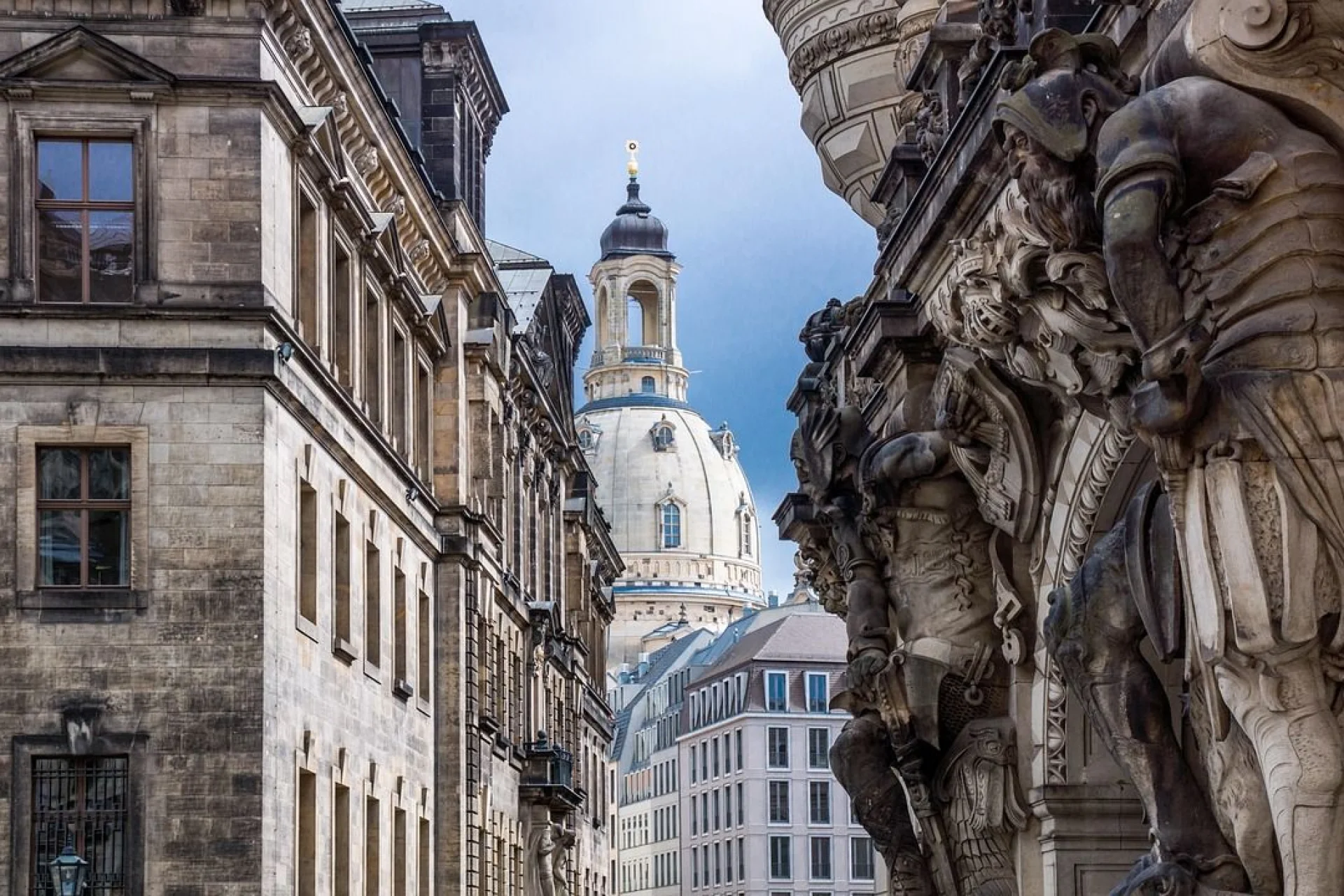
Dresden, the capital of Saxony, stands as a testament to resilience and artistic grandeur. Known affectionately as the "Florence on the Elbe," the city boasts an extraordinary collection of Baroque and Rococo architecture, world-renowned art collections, and a rich musical heritage. Despite its near-total destruction during World War II, Dresden has painstakingly rebuilt its historic core, allowing visitors to once again marvel at its former glory.
The city's character is defined by its elegant architecture, its deep connection to the arts, and its picturesque setting on the Elbe River. The historic Altstadt (Old Town) is a pedestrian-friendly area where most of the major sights are concentrated.
Key attractions include:
While primarily an urban destination, Dresden is beautifully integrated with its natural surroundings. The Elbe River flows through the city, offering scenic river cruises and popular cycling paths along its banks. The Elbe Valley, though no longer a UNESCO World Heritage site, remains a picturesque landscape with vineyards, castles, and charming villages just outside the city limits.
Activities abound:
Dresden's culture is deeply rooted in its artistic and intellectual past. It was once a royal residence and a major cultural center, attracting artists, musicians, and thinkers. This legacy continues today with a thriving music scene, numerous theaters, and a strong appreciation for fine arts and crafts. Saxon cuisine, with its hearty dishes and renowned regional wines, is also a highlight for visitors.
From a practical standpoint, Dresden is an exceptionally visitor-friendly city. Its compact historic center is easily explored on foot, and an efficient public transport system connects all parts of the city. There's a wide range of accommodation options, from luxury hotels to budget-friendly hostels. Its central European location and excellent transport links make it an accessible and rewarding destination for international travelers.