The Memorial to the Murdered Jews of Europe, often simply referred to as the Holocaust Memorial, stands as a poignant and essential site of remembrance in the heart of Berlin. Designed by architect Peter Eisenman, this sprawling memorial is dedicated to the approximately six million Jewish victims of the Holocaust. It serves not only as a place of mourning but also as a powerful reminder of the atrocities committed during World War II and a call for vigilance against hatred and intolerance.
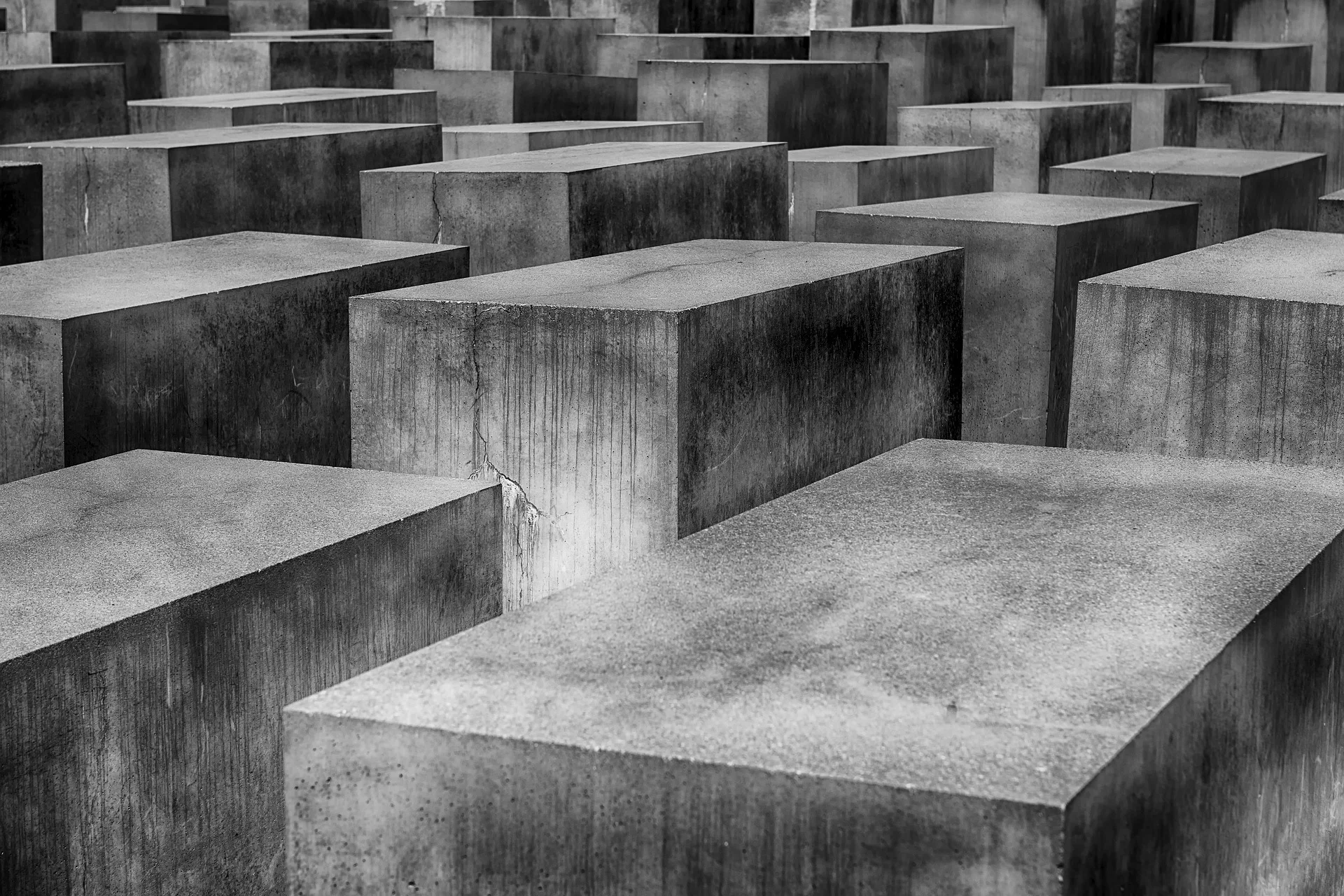
The most striking feature of the memorial is its Field of Stelae, an undulating grid of 2,711 concrete slabs, or stelae, of varying heights. These rectangular blocks are arranged on a sloping field, creating an unsettling and disorienting experience as visitors walk through the narrow passages between them. The ground itself gently undulates, and the stelae seem to rise and fall, creating a sense of instability and isolation. There is no single prescribed path; visitors are encouraged to wander freely, allowing for individual reflection and interpretation. The abstract nature of the design invites personal engagement, evoking feelings that range from disorientation and solitude to contemplation and sorrow.
Beneath the field of stelae lies the Information Center (Ort der Information), an indispensable part of the memorial. This underground exhibition provides factual information about the Holocaust and the victims it commemorates. It is divided into several rooms, each focusing on different aspects:
The Information Center meticulously documents the persecution and extermination of European Jews, providing context and depth to the abstract outdoor memorial. It is highly recommended to visit the Information Center to fully grasp the historical significance and human tragedy represented by the stelae above.
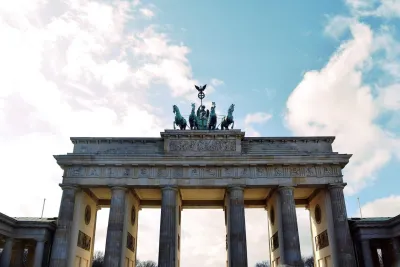
The memorial is located in central Berlin, just a short walk from the Brandenburg Gate and the Reichstag Building, making it easily accessible for visitors exploring the city's historical core. It is open 24 hours a day, allowing for visits at any time, though the Information Center has specific opening hours.
While the memorial is a public space, visitors are encouraged to approach it with respect and solemnity. Its design, devoid of overt symbolism, is intended to evoke a personal and emotional response. The varying heights and dense arrangement of the stelae create a unique acoustic environment, often muffling city sounds and enhancing the sense of introspection.
The Memorial to the Murdered Jews of Europe is a powerful and essential stop for anyone visiting Berlin, offering a profound opportunity for remembrance, education, and reflection on one of humanity's darkest periods.