
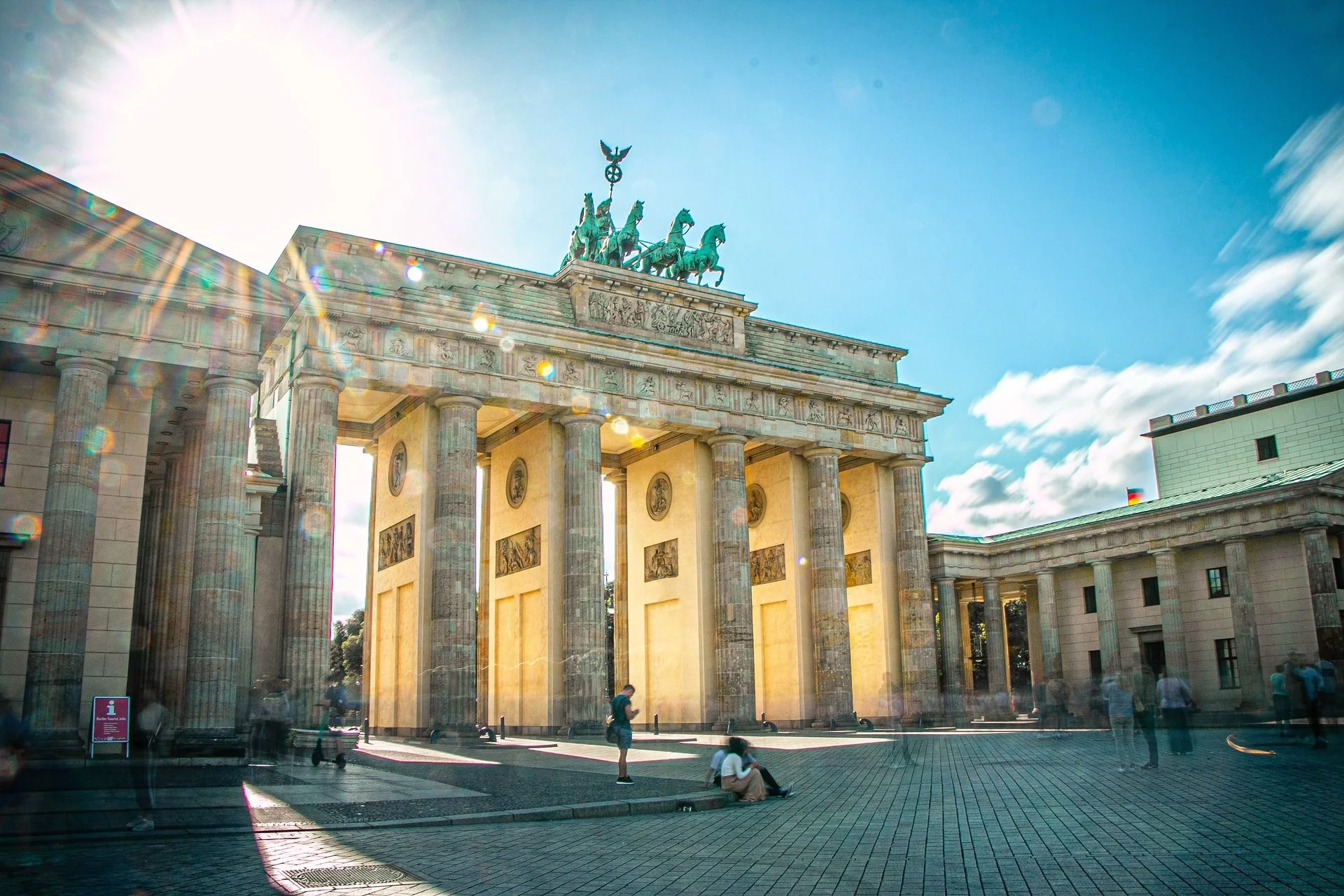
The Brandenburg Gate is not merely a monument; it is a powerful emblem of Germany's tumultuous past and its hopeful future. Built in the late 18th century as a neoclassical triumphal arch, it served as one of the original city gates of Berlin. Over the centuries, it has witnessed Prussian triumphs, Napoleonic occupation, Nazi parades, and the stark division of the Cold War, standing just meters from the Berlin Wall.
Following the fall of the Berlin Wall in 1989, the Brandenburg Gate became the focal point for celebrations of German reunification, transforming its meaning from a barrier into a symbol of freedom and unity. Today, it is a place where locals and visitors alike gather to reflect on history, celebrate national events, and simply admire its architectural grandeur.
While the gate itself is the star attraction, its immediate surroundings offer a wealth of historical and cultural experiences:
The Brandenburg Gate is easily accessible and free to visit, making it a central point for any Berlin itinerary. It's best experienced on foot, allowing visitors to appreciate its scale and the surrounding historical context. Guided walking tours often start or pass by the gate, providing deeper insights into its significance.
While impressive at any time of day, the gate takes on a special ambiance at dawn or dusk when the light is softer, and crowds are thinner. It's also beautifully illuminated at night, offering a different perspective.
Visiting the Brandenburg Gate is more than just seeing a monument; it's an immersive journey through the heart of German history and a testament to the enduring human spirit.